PSYD Faculty
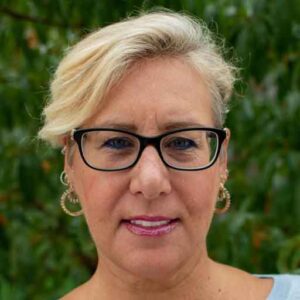
Christine Wekerle
Ph.D.
Faculty, Master of Psychology
Core Faculty, Doctor of Psychology
Director of Research, Doctor of Psychology
Dr. Christine Wekerle is a researcher and educator internationally recognized for her work in child maltreatment, trauma, resilience and youth mental health. She received her Ph.D. in Clinical Psychology from Western University and completed her clinical internship in Pediatrics at McMaster University.
Dr. Wekerle has published extensively on the impact of adverse childhood experiences on the mental health and well-being of young people. She led the Maltreatment and Adolescent Pathways (MAP) Research Study, a longitudinal study conducted in partnership with major Canadian child welfare agencies, and has led research examining sexual violence victimization and resilience among male youth and young adults. Her work also contributed to the development of JoyPop™, an app designed to support resilience and day-to-day well-being among young people.
Dr. Wekerle is an Associate Professor in Pediatrics at McMaster University and an Associate Member in Psychiatry and Behavioural Neurosciences. She is Co-Editor-in-Chief of Child Protection and Practice, former Editor-in-Chief of Child Abuse & Neglect, and founding editor of the International Journal of Child and Adolescent Resilience. She is a widely published author whose scholarship includes books on child maltreatment and resilience.
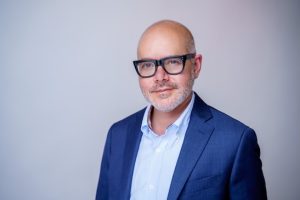
Oren Gozlan
Psy.D., C.Psych., ABPP, FIPA
Director of Training, Doctor of Psychology Program
Core Faculty, Doctor of Psychology Program
Faculty, Master of Psychology Program
Dr. Gozlan is a clinical psychologist and a psychoanalyst in Toronto, Chair of the scientific committee at the Toronto Institute for Psychoanalysis and a member of the Committee for Gender and Sexuality of the IPA. He is a sessional faculty at the University of Toronto, the Toronto Institute for Psychoanalysis, the Toronto Institute of Contemporary Psychoanalysis, and the Canadian Institute for Child and Adolescent Psychoanalytic Psychotherapy. His book ‘Transsexuality and the Art of Transitioning: A Lacanian Approach’ won the American Academy & Board of Psychoanalysis’ annual book prize for books published in 2015. He is the winner of the Symonds Prize (2016). His edited collection titled: “Critical Debates in the Transsexual Studies Field: In Transition” (Routledge) was a runner up for the 2019 Gradiva Award. He is the winner of the 2022 Ralph Roughton Award. He is currently working on a book about the conceptual inheritance, transmission and transformation of something called ‘gender’.
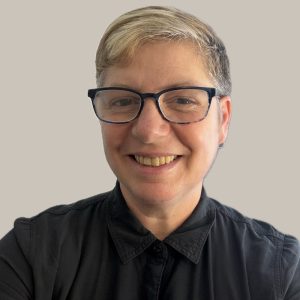
Esther Rapoport
Psy.D., C.Psych.
Core Faculty, Doctor of Psychology Program
Dr. Esther Rapoport is a registered clinical psychologist with extensive experience in psychotherapy, psychological assessment, clinical supervision, teaching and program development. She completed her doctoral training in Clinical Psychology at the California Institute of Integral Studies in San Francisco, an APA-accredited doctoral program, and has practised internationally in both Canada and Israel.
Dr. Rapoport’s clinical work has included private practice, trauma treatment, residential treatment, medical rehabilitation, addictions and organizational consultation. Her areas of clinical interest include trauma, anxiety and mood disorders, gender and sexual identity, LGBTQ+ affirmative practice, neurodiversity, couples therapy, and multicultural and multilingual psychotherapy. She has also provided clinical supervision to psychologists, psychotherapists and other mental health professionals.
In addition to her clinical work, Dr. Rapoport is an experienced graduate-level educator, researcher and published author. Her scholarly interests include relational and contemporary psychoanalysis, gender and sexuality, queer theory, bisexuality, culture and identity in psychotherapy, and the work of Sabina Spielrein. She is the author of From Psychoanalytic Bisexuality to Bisexual Psychoanalysis: Desiring in the Real and has published scholarly work in the areas of psychoanalysis, sexuality and gender

Lila Zahra Hakim
Ph.D., C.Psych.
Faculty, Master of Psychology, Doctor of Psychology
Dr. Lila Zahra Hakim is a clinical psychologist and co-founder of the Centre for Interpersonal Relationships (CFIR), where she serves as Vice President, Client Services. She holds a Ph.D. in Adult Clinical Psychology from York University.
Her clinical work includes psychological assessment and psychotherapy with adults, couples and families, with particular expertise in trauma, personality and relationship dynamics, attachment, identity development and family-building. She also has extensive experience in clinical supervision and the training of psychologists, psychotherapists, doctoral residents and graduate students.
Dr. Hakim is the former Director of Training for CFIR’s CPA-accredited Doctoral Residency in Clinical Psychology and has taught at York University and the University of Guelph-Humber. Her professional interests include trauma, relationships, personality, family-building, clinical supervision and the development of emerging practitioners.

Diana Mandeleew
Psy. D., C.Psych.
Faculty, Master of Psychology, Doctor of Psychology
Dr. Diana Mandeleew is a licensed clinical psychologist with the College of Psychologists and Behaviour Analysts of Ontario (CPBAO). She completed a Master of Arts and a Doctor of Psychology degree from the Adler School of Professional Psychology (Adler University). Her clinical experience included positions at the Centre for Addiction and Mental Health (CAMH), Surrey Place Centre and the Hincks-Dellcrest Centre (SickKids Centre for Community Mental Health). For the past 20+ years, Dr. Diana Mandeleew has been conducting psychological and psychoeducational assessments, providing ADHD coaching, psychotherapy and consultations to adults, adolescents and children with focusing issues, social, emotional, behavioural and learning concerns. In addition to teaching graduate-level psychology courses at the Adler Graduate Professional School, she supervises clinicians and psychoeducational instructors, is on the CPBAO’s Client Relations Committee, and is the founder and clinical psychologist at Psychology Wellness. She has a collaborative, strength-based and empathetic approach.

Dita Andersson-Everett
Ph.D., C.Psych.
Adjunct Faculty, Doctor of Psychology Program
Dr. Andersson Everett is a registered clinical psychologist with a background in developmental psychology. Clinically, she works primarily from a relational psychodynamic perspective. This means that she pays close attention to what is occurring in the moment as a way of identifying relational patterns, assumptions, and ways of coping that have been shaped by past experiences.
In terms of training, Dr. Andersson Everett earned an MPhil in Developmental Psychology at Cambridge University in England, a masters degree in Counseling Psychology at Northwestern University in Evanston, IL, and a Ph.D. in Counseling Psychology at Boston College. Her clinical internship was completed at Massachusetts Mental Health Center, Harvard Medical School. Since that time, she has taught and conducted psychotherapy in a number of hospitals and different university settings. She has now been working in Toronto for 18 years, and her time is split between her private practice and university lecturing in graduate psychology programs.

Natasha Williams
Ph.D., C. Psych.
Adjunct Faculty, Doctor of Psychology
Dr. Natasha Williams is a registered psychologist whose work focuses on clinical, counselling and rehabilitation psychology, culturally responsive psychological assessment and treatment, and anti-oppressive practice. She is Director of Clinical Services at Allied Psychological Services, where her work includes assessment, psychotherapy, consultation, supervision and professional training.
Dr. Williams has been actively involved in advancing diversity, equity and culturally responsive practice within the psychology profession. She is Chair of the Toronto Chapter of the Association of Black Psychologists and has held leadership roles with the Ontario Psychological Association, including serving as Chair of its Diversity Task Force and as the OPA’s diversity delegate to the American Psychological Association’s State Leadership Conference.
Her experience also includes teaching and professional training for mental health practitioners. She has served as faculty with a bridge training program for internationally trained mental health professionals and as a trainer with TAPE Educational Services. She has also facilitated training through the Centre for Addiction and Mental Health (CAMH), including culturally adapted Cognitive Behavioural Therapy for English-speaking Caribbean communities and Motivational Interviewing.
Dr. Williams’s professional interests include culturally responsive and anti-oppressive psychological practice, diversity and inclusion, psychological assessment, psychotherapy, clinical supervision and professional education. She is the author of Embracing Self-Love and Embracing Selfishness: It’s Not What You Think!
Kevin Fitzmaurice
Ph.D.
Adjunct Faculty, Master of Psychology, Doctor of Psychology
As an ally scholar, Dr. Kevin Fitzmaurice has extensive experience in Indigenous research co-leadership, teaching, course development, and university administration. He is presently an Associate Professor for the Chanie Wenjack School for Indigenous Studies at Trent University and a Professor Emeritus with the University of Sudbury/Laurentian. He is the former Truth and Reconciliation Coordinator and Director of Research for the Center for Research in Social Justice and Policy at Laurentian University.
Dr. Fitzmaurice is currently co-leading several community driven research projects. He is the Ontario Regional Co-Director with the ‘Urban Aboriginal Knowledge Network’ (UAKN) and a Co-Investigator with the ‘Making the Shift: Youth Homelessness Innovation Lab (Sudbury/Timmins)’ and the ‘Maamwizing Indigenous Research Institute / Race Gender Diversity Initiative’. Dr. Fitzmaurice was also a Regional Lead with the 2021 National Centre for the Collaboration on Indigenous Education (NCCIE) as well a Co-Director with the 2011 Toronto Aboriginal Research Project (TARP) and the 2007 Ontario Urban Aboriginal Task Force (UATF). His areas of teaching and research specialization include Urban Indigenous Studies, Housing and Homelessness, Indigenous-Settler Politics and Law, Indigenous Critical Theory, and Indigenous Research Methods.
Don McCaskill
M.A., Ph.D.
Adjunct Faculty, Master of Psychology, Doctor of Psychology
Dr. Don McCaskill is a Professor in the Chanie Wenjack School for Indigenous Studies at Trent University and a longstanding scholar in Indigenous Studies. He has held numerous academic leadership roles, including Chair of Indigenous Studies, Founding Director of the Indigenous Studies Ph.D. program and Director of the Indigenous Studies Thailand Year Abroad program.
His research and community work have focused on Indigenous education, community development, self-government, urban Indigenous issues, law, justice and corrections, and international development. He has worked extensively with First Nations communities, Indigenous organizations and government departments and has led major community-based research initiatives, including the Urban Aboriginal Task Force in several Ontario communities and the Toronto Aboriginal Research Project.
Dr. McCaskill is a widely published scholar and has edited numerous books on Indigenous education, Indigenous knowledge and the experiences of Indigenous peoples in Canada and internationally. He is also co-author, with Jerry Fontaine, of Di-Bayn-Di-Zi-Win: To Own Ourselves: Embodying Ojibway-Anishinabe Ways.
Michael Thrasher
LLD HC, Elder
Adjunct Faculty, Doctor of Psychology Program
Dr. Michael D. Thrasher LLD HC is a nationally recognized teacher of traditional First Nations Philosophy, tradition and culture. He is widely credited for his ability to use traditional First Nation’s knowledge to address contemporary issues and for his knowledge and practice of traditional ceremony.
Significantly, Michael was one of the four traditional Teachers and Elders invited to conduct the sacred pipe ceremony at the opening of the Royal Commission on Aboriginal peoples. In addition, he was invited to co-chair the first Round Table Hearings for the Royal Commission.
He is a past Federal Treasury Board Audit Committee member for the Indian Residential School Settlement and an Elder Advisor to the First Nations Statistical Institute, a crown corporation. His credentials include – L.L.D. honoris causa. Forty-five years of working with the Elders of the Canadian Indigenous community.
He is an Adjunct Professor at Trent University Native Studies Ph.D. program. He has designed and presented a credit course on First Nations Psychotherapy – Adler School of Psychology. He was responsible for the creation of a curriculum framework for Urban First Nations education for the Toronto School Board, in Ontario, Canada. He has conducted seminars for personal development for the governing councils and staff of a number of First Nations and non-First Nations communities, organizations and industry. He has also conducted a European envoy/lecture tour in Belgium and Holland. His contacts and experiences cover a broad spectrum from communities and governments to multinational corporations.